Virtual staging means adding furniture, decor and finishing touches to a photo or 3D image of an empty room, digitally, so buyers or tenants can picture how the space could be lived in. It is worth it when a property is empty, when the room’s purpose is unclear, or when physical staging is too slow or impractical. It is not worth it when the photos are poor, when the room needs real repairs, or when the images would hide something a buyer has a right to see.
Below I explain how virtual staging works, the two main ways it is made, what a good job needs from you, and how to decide if it makes sense for your listing.
Key takeaways
- Virtual staging adds furniture to photos of empty rooms so buyers understand size and use.
- Photo-based staging suits built homes; full 3D staging suits off-plan projects.
- It works best for vacant homes, unclear rooms and remote buyers, not for hiding repairs.
- Label staged images, keep the original photo, and never change permanent features.
- Good input photos (straight, sharp, high resolution) decide the final quality.
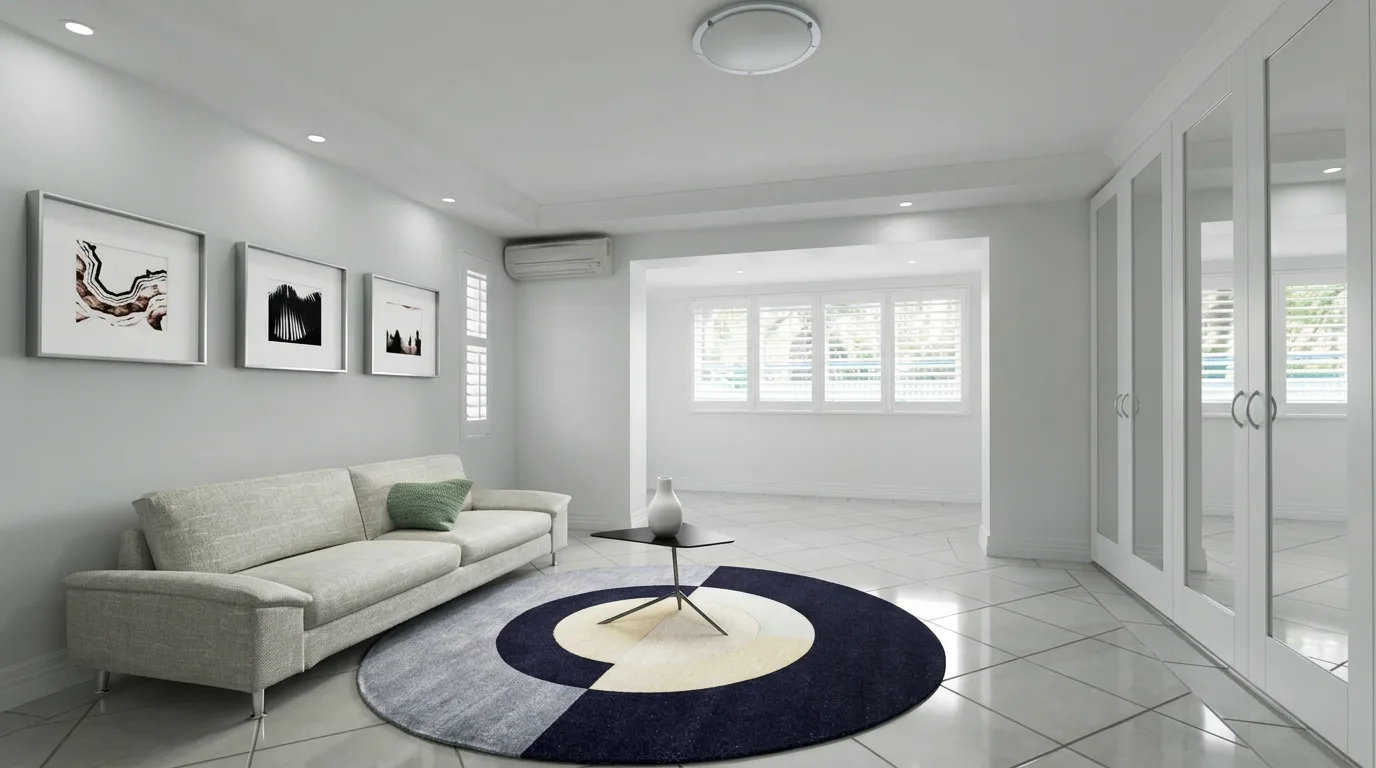
What Virtual Staging Actually Is
Physical staging means renting furniture, moving it into the property, arranging it, photographing it, and later removing it. Virtual staging skips the truck. A visualizer works on the image instead, placing furniture and decor that match the room’s perspective, light and scale.
The goal is not to make a fake room. The goal is to help a viewer understand size and use. An empty bedroom photo often looks smaller than the real room, because there is nothing to compare it with. Add a bed, side tables and a rug, and the viewer instantly knows “a king bed fits here”.
Two Ways Virtual Staging Is Made
1. Photo-Based Staging
The most common type. The artist takes your real photo of the empty room, matches the camera, and adds 3D furniture rendered with lighting that matches the photo. Shadows, reflections and contact points (where furniture touches the floor) are what make it believable.
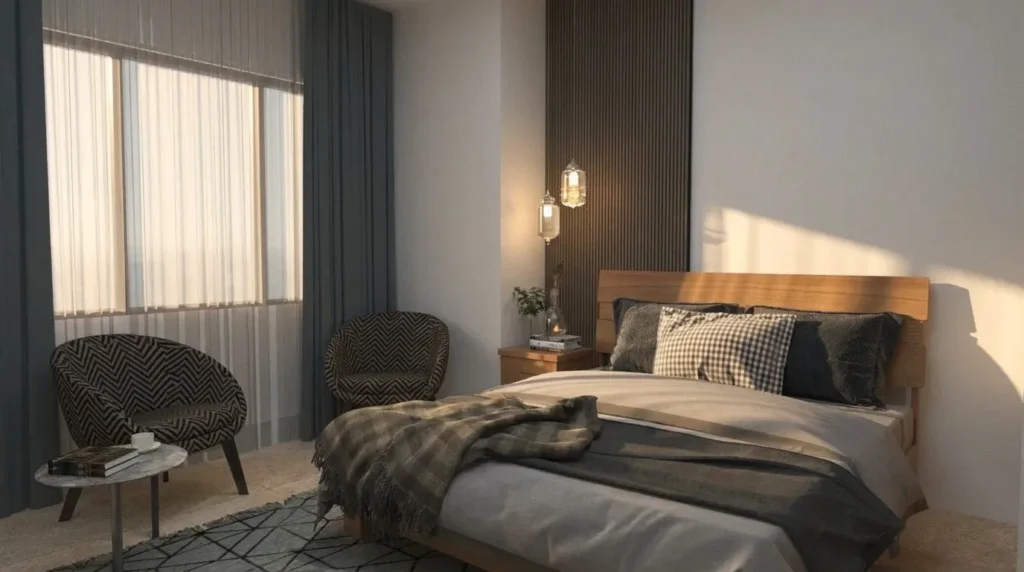
This is the right choice for existing properties that are already built and photographed.
2. Full 3D Staging
Here the whole room is modeled in 3D from plans, and then furnished. This is used when the property is not built yet, when the photos are unusable, or when the client wants several design styles shown from the same angle. It is closer to a full interior render than to photo editing.
If your project is still on paper, you may actually need interior rendering rather than staging.
| Photo-based staging | Full 3D staging | |
|---|---|---|
| Starting point | Your real photo of the empty room | The room modeled in 3D from plans |
| Best for | Existing properties that are built and photographed | Properties that are not built yet |
| What you send | High-resolution photos plus room sizes | Plans, finishes and a style direction |
When Virtual Staging Is Worth It
- Vacant properties: Empty rooms feel cold and are hard to read in photos. Staging adds scale and warmth.
- Rooms with an unclear purpose: An odd-shaped room can be shown as a home office, a nursery or a guest room.
- Rentals and short lets: Landlords can show a furnished look without buying furniture first.
- Several style options: Show the same living room as modern, classic or minimal for different buyer groups.
- Remote buyers: People buying from another city or country rely heavily on images.
When It Is Not Worth It
- Bad source photos: Dark, blurry, tilted or low-resolution photos limit what any artist can do. Reshoot first.
- The room needs repairs: Staging should not cover damp walls, cracks or broken floors. That misleads buyers and can create legal trouble.
- The furniture would not fit in reality: Staging a tiny room with a huge sofa sets the wrong expectation.
- Occupied, cluttered rooms: Removing a lot of existing furniture first (sometimes called decluttering or item removal) is extra work and may not look clean. Sometimes tidying and reshooting is simpler.
Why staging matters
In NAR’s 2025 Profile of Home Staging, 83% of buyers’ agents said staging makes it easier for buyers to picture a property as their future home. Staged photos still need to be honest and clearly labeled. Source: NAR: Consumer Guide to Staging Your House for a Sale.
Be Honest: Disclosure Matters
In many markets, listing platforms, agencies or local rules expect virtually staged images to be clearly marked, for example with a small “virtually staged” note on the image or in the listing. Rules differ by country and platform, so check what applies where the property is listed. A common good practice is to show the empty photo alongside the staged one, so buyers see both.
Never change permanent features in a staging job without saying so: windows, views, flooring, walls and fixtures should stay as they really are unless the image is clearly labeled as a renovation concept.
What a Good Staging Job Needs From You
Most quality problems start with the input. Here is what to send your visualizer:
- Photos shot at chest height with straight vertical lines, as wide as possible without strong distortion.
- Every photo in the highest resolution your camera allows, with windows not completely blown out (bracketed or HDR shots help).
- Room dimensions or a floor plan, so furniture is placed at the right scale.
- The target buyer or tenant (family, young professional, luxury) and a preferred style.
- Which rooms matter most: living room, master bedroom and kitchen usually come first.
- Any rules from the platform where the images will be published, such as watermark or disclosure text.
Our free Brief Builder helps you put this together in a couple of minutes and send it on WhatsApp.
How Realistic Staging Is Made (Quick Look at the Workflow)
In my own workflow, the main steps are:
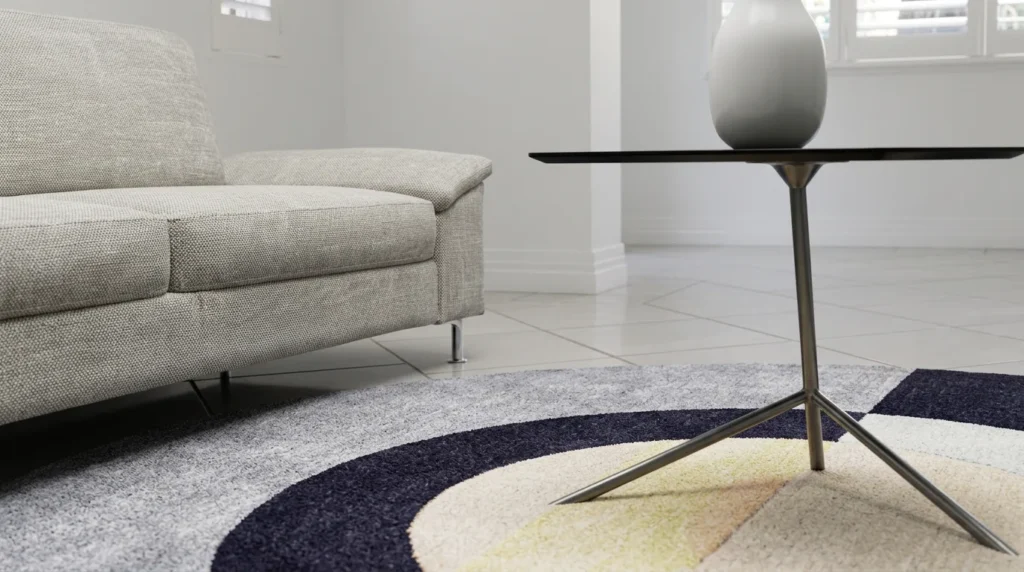
- Camera match: Match the 3D camera to the photo’s perspective using the floor and wall lines.
- Light match: Study where light enters the room in the photo, then recreate it so 3D furniture gets the same direction and softness.
- Furniture and decor: Choose pieces that suit the room size and target buyer, not just what looks nice alone.
- Shadows and contact: Render shadow and reflection passes so furniture sits on the floor instead of floating.
- Compositing: Blend the render into the photo and color-match it in post-production.
Can AI Do Virtual Staging?
AI staging tools can furnish a room photo very quickly, and they are useful for quick ideas. But they often change things they should not: window shapes, wall positions, floor patterns or ceiling details. Furniture scale can also be off. For a listing, every image needs to match the real property, so check AI results carefully and fix or reject anything that misrepresents the space. For more on this, see 3D vs AI.
Common Mistakes
- Floating furniture: No contact shadows, so pieces look pasted on.
- Wrong scale: Oversized beds and sofas that would never fit the real room.
- Mismatched light: Sunlight from the left in the photo, shadows going left in the furniture.
- Over-styling: Too many props make the room look smaller and busy.
- No disclosure: Staged images shown as if they were real furniture.
Frequently Asked Questions
What is the difference between virtual staging and interior rendering?
Virtual staging usually adds furniture to a real photo of an existing room. Interior rendering creates the whole room in 3D, which is used for projects not yet built or when photos are not usable.
Do I need professional photos for virtual staging?
Good photos make a big difference. Straight verticals, high resolution and even exposure give the artist a solid base. Phone photos can work if they are sharp, level and well lit.
Can virtual staging remove existing furniture?
Yes, item removal is possible, but it adds work and complex rooms may not look perfect. Tidying the room and reshooting is often the better option.
Is virtual staging legal?
It is widely used, but it should not misrepresent the property. Many platforms and markets expect staged images to be labeled. Check the rules where you list.
How many rooms should I stage?
Start with the rooms that matter most to buyers, usually the living area, master bedroom and kitchen. Empty secondary rooms can stay as they are or be staged later.
References
Official documentation and research used for this article:
- NAR Research: Profile of Home Staging – agent survey data on staging, photos and virtual tours.
- NAR: Consumer Guide to Staging Your House for a Sale – 83% of buyers’ agents say staging helps buyers picture the home.
- NAR: Are You ‘Catfishing’ Buyers With Picture-Perfect Real Estate Photos? – disclosure of digitally altered listing images.
- Florida Realtors: 3 Things to Know About Virtual Staging – label staged images and show the original photo.
Need Virtual Staging or Interior Renders?
You can see before-and-after examples and finished interiors in my portfolio. Send your room photos or plans on WhatsApp, tell me the style you have in mind, and I’ll reply with what’s possible and an exact quote.