Experiment: take a real empty room from my virtual staging work and see how far AI can go in furnishing it, compared with my own staging of the same room.
Goal
Empty-to-furnished reels show what a space could become. Because I stage rooms for clients, I wanted to test where AI is good enough and where it still falls short.
Steps
- Started from the empty room photo (the before image below).
- Asked AI to keep the walls, windows, ceiling light and floor exactly the same and only add furniture.
- Compared the AI result with my own staged version of the same room.
- For the reel, used the furnished image as the end frame and guided the video toward it in Google Flow.
Result
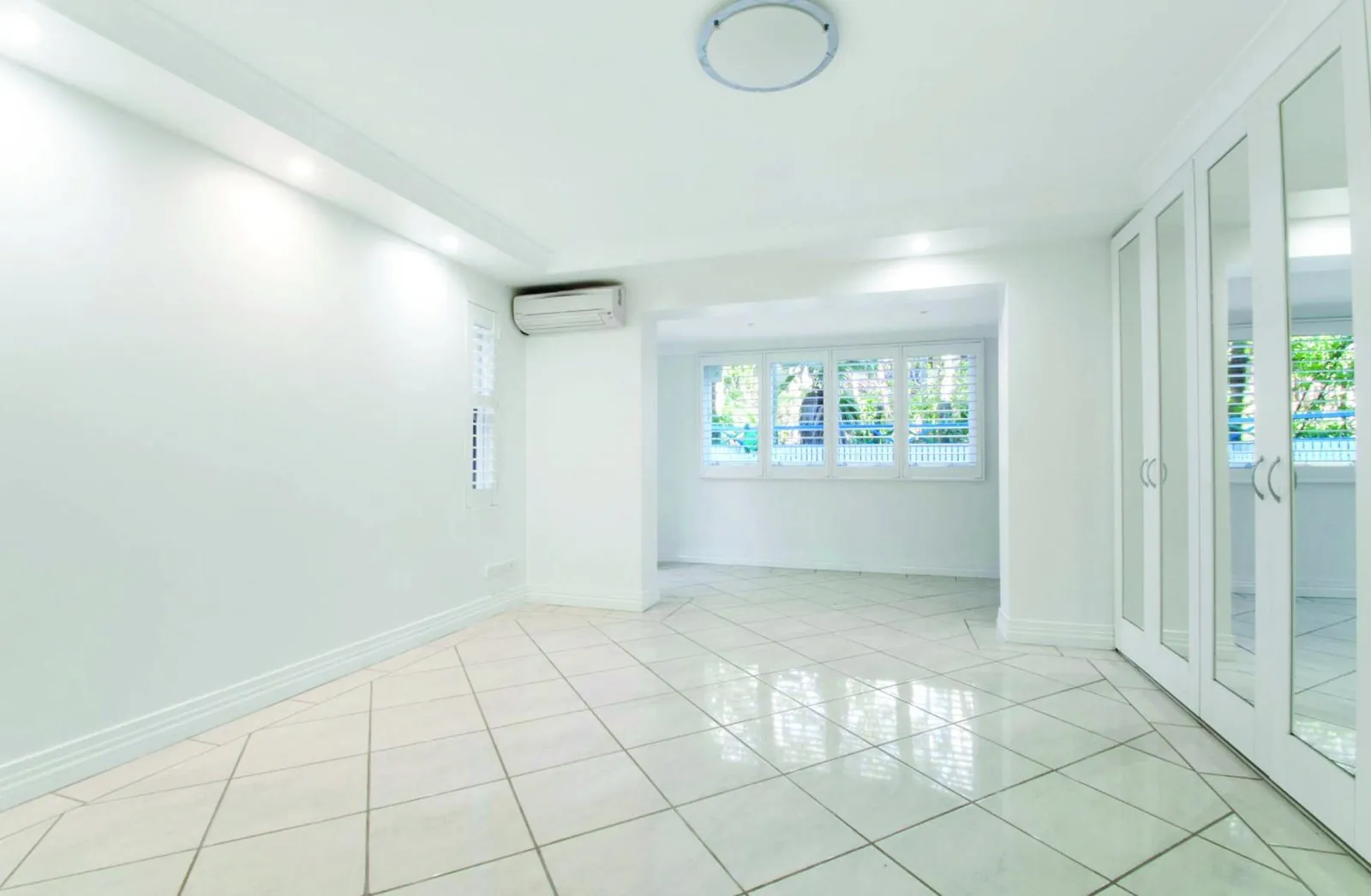
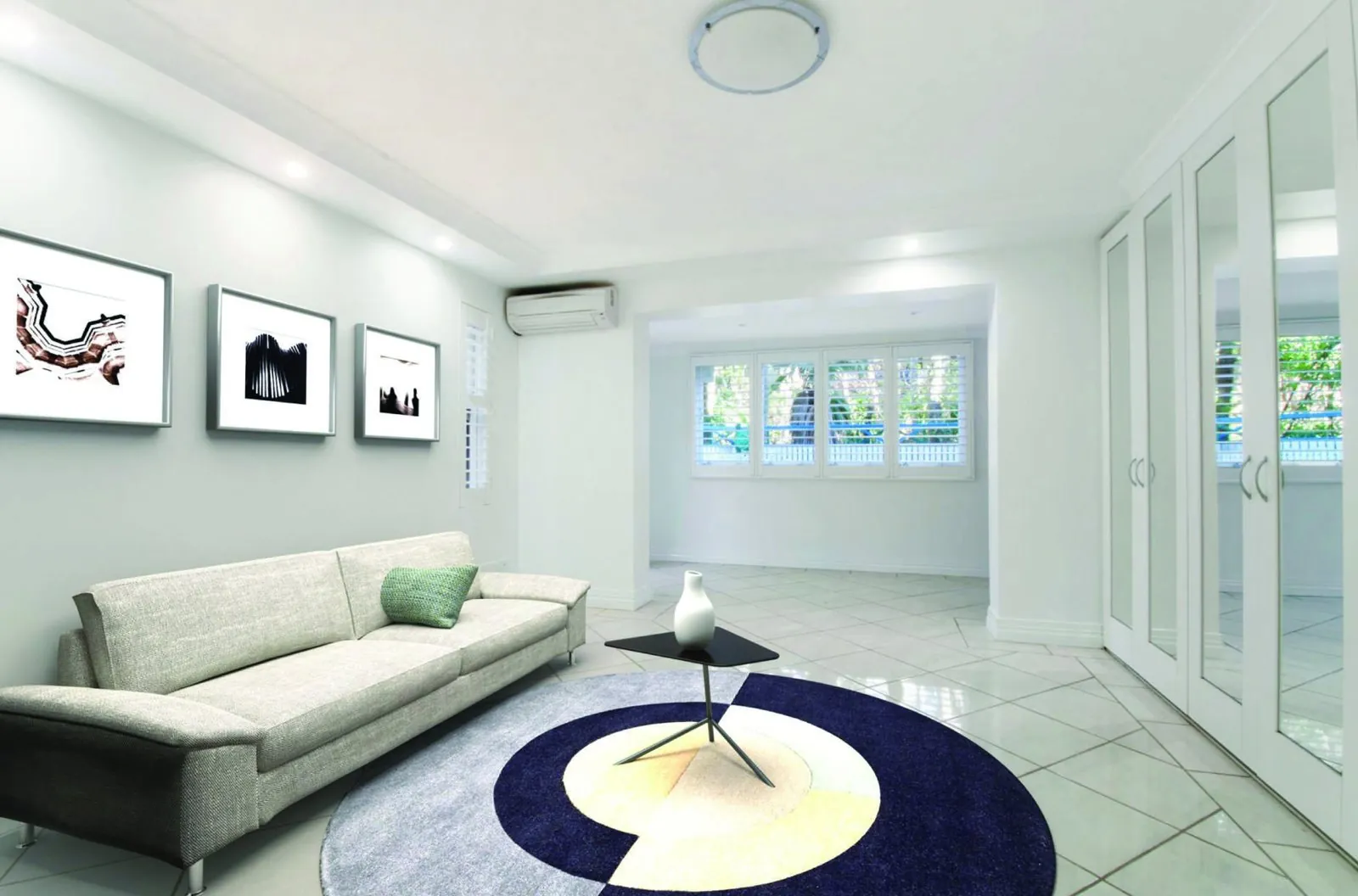
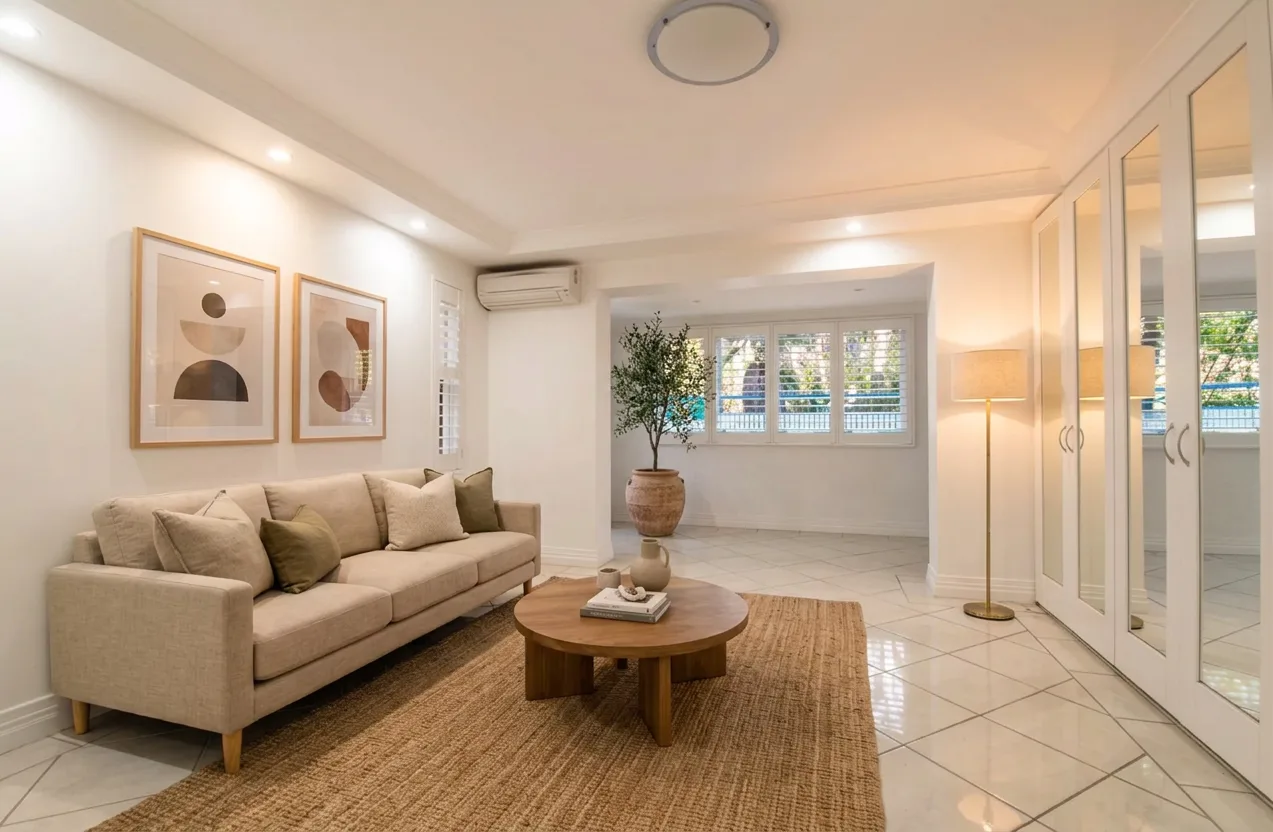
The AI version kept the room, the windows and the mirrored wardrobe in place, and the furniture looks believable at a glance. Look closer and the white walls turned warm beige, which I did not ask for, and you cannot pick the exact sofa, rug or art a client wants. My own staging takes longer, but every item is a choice I can change on request.
The prompt I used
Keep the same camera angle, walls, ceiling light, AC unit, windows and floor exactly as they are. Only add furniture: beige linen sofa, round wooden coffee table, jute rug, two framed prints, potted olive tree, slim floor lamp, warm afternoon light. Photorealistic interior photo.
What worked and what failed
What worked
- Saying “keep the walls, windows and floor the same” kept the room itself almost unchanged.
- Making the furnished image first gave the video a clear end state.
- In the reel, adding furniture step by step (floor, then sofa, then lights) looked more real.
What failed or needed a fix
- If all the furniture appears at once in the video, it looks fake.
- AI picks its own furniture, so it cannot match a client’s real products.
- It changed the wall color to a warmer tone without being asked.
Try it yourself
- Start with a clean photo of the empty room.
- Tell the AI what must stay the same before you say what to add.
- Make the finished image first, then write the video prompt toward it.
- Keep the camera angle and window light the same in every clip.
Questions people ask
Can AI show my exact room with my furniture?
Not exactly. AI gives an idea of the mood. For exact sizes, products and materials, a 3D render or manual staging is better. See 3D vs AI.
Do you make these reels for clients?
Yes. See the AI video service or interior rendering.
Which tools did you use?
Nano Banana Pro for the image, Gemini Omni Flash inside Google Flow for the video, and CapCut for editing.
More tests are in the AI Experiments Lab. Want something like this for your brand? See my services or message me on WhatsApp.